24.02.2026 14:30
It has been reported that Iran is very close to an agreement to purchase supersonic anti-ship missiles from China to strengthen its maritime deterrence. While the negotiated systems are expected to have high speed and advanced radar-evading features, it is stated that this step serves the purpose of increasing deterrence capacity amid rising tensions with the United States and in strategic maritime routes such as the Persian Gulf.
It has been reported that Iran is close to an agreement to purchase supersonic anti-ship missiles from China to strengthen its naval deterrence and defense capabilities. This move is seen as part of Tehran's efforts to expand its maritime capabilities and draws attention in the context of increasing tensions with the U.S. in the region.
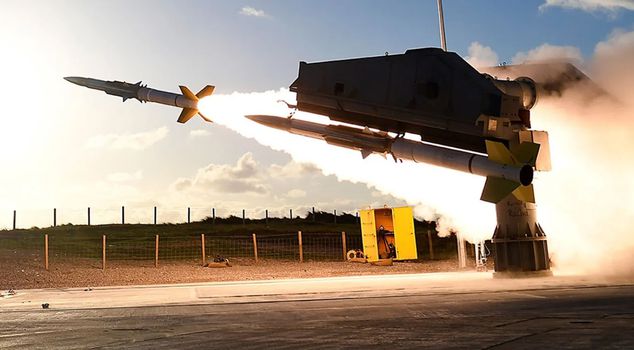
Supersonic anti-ship missiles pose a deterrent threat against large targets such as naval warships and aircraft carriers due to their high speeds and radar-evading features; such systems are based on ramjet-supported supersonic missiles like the YJ-12, which are also developed in China.
COMPLICATING LOW-ALTITUDE RADAR DETECTION
These missiles can cruise at speeds of Mach 2 and above, complicating low-altitude radar detection. Iran's efforts to acquire such advanced technology systems are considered an important part of the country's naval deterrence strategy.
LOGISTICS AND MILITARY MOBILITY
This potential purchase also demonstrates Iran's intention to strengthen its maritime security and military balance strategy in the region. According to experts, Tehran's acquisition of longer-range and faster anti-ship capabilities could particularly affect logistics and military mobility in strategic maritime routes such as the Persian Gulf and the Gulf of Oman.
As no official agreement text has been published and there has been no official statement from the parties, the details of the process are unclear; however, external sources indicate that negotiations are ongoing and that Iran aims to develop a closer relationship with China in the field of military technology. Such a step could have significant impacts on regional maritime security balances.