12.04.2026 15:30
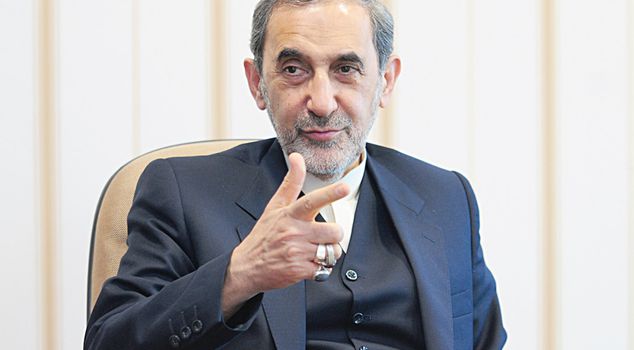
Following the collapse of the US-Iran talks, Iranian leader Khamenei's chief advisor Ali Akbar Velayati made a statement that escalated tensions. Velayati said, "The key to the Strait of Hormuz is in our hands." While the nuclear program and control of the strait are at the center of the crisis, mutual accusations between the parties have strengthened the possibility of a new tension that could affect global energy balances.
After the collapse of critical talks held in Islamabad, Pakistan, between the US and Iran that lasted 21 hours, a new statement came from Tehran raising tensions. Ali Akbar Velayati, the chief advisor to Iranian leader Mujtaba Khamenei, issued strong messages regarding the Strait of Hormuz.
In a statement made via the US-based X platform, Velayati emphasized that the main goal of Iranian diplomacy is to protect the country's security, stating, "The key to the Strait of Hormuz is in our strong hands."
SUMMIT COLLAPSED, TENSION ESCALATES
The failure to reach a result from the talks led by US Vice President JD Vance in Islamabad deepened the crisis between the parties. Particularly, the status of the Strait of Hormuz and Iran's nuclear program became two critical issues where negotiations stalled.
The Iranian side accused the US of obstructing agreement with "maximalist demands," while the Washington administration argued that Tehran did not provide sufficient commitments regarding its nuclear program. Iranian Parliament Speaker Mohammad Baqir Qalibaf also stated that the US could not build trust, sending a message that "it is time to decide whether they can gain our trust."
STRATEGIC CENTER OF THE STRAIT OF HORMUZ CRISIS
The Strait of Hormuz, through which approximately one-fifth of the world's oil trade passes, stands out as the most sensitive point of the crisis. While Iran prioritized this issue in the talks, it is assessed that control of the strait in a potential conflict could shake global energy markets.
Experts warn that a new tension in the region could lead to sharp fluctuations in oil prices and serious disruptions in supply chains.
DIPLOMACY AND MILITARY POWER MESSAGE
The recent statements from Iranian officials highlight both diplomacy and military power. While the Tehran administration does not completely close the door to negotiations, it clearly indicates that military options on the ground are also on the table.
Pakistan, on the other hand, signaled its intention to continue mediation efforts by calling on the parties to adhere to a ceasefire to prevent a complete breakdown of the process.
CRITICAL DECISION EXPECTED
The US administration has reached a critical crossroads following the talks. It is assessed that Washington will either enter a long-term new negotiation process or adopt a tougher strategy that includes the Strait of Hormuz.
As tensions rise in the region, the steps taken by the parties are expected to directly affect not only the Middle East but also global energy balances.