12.04.2026 14:40
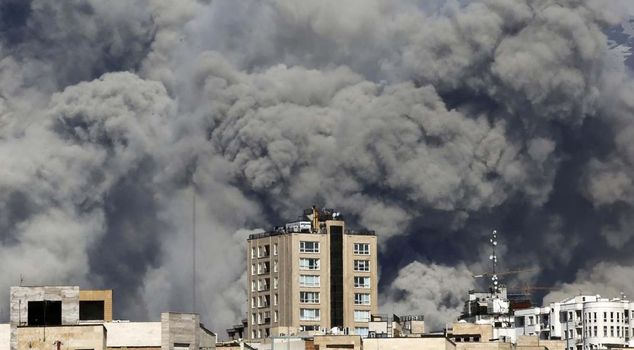
Israeli ministers have raised the possibility of an attack on Iran following the collapse of US-Iran talks. The statement "if there is no agreement, there could be an attack" drew attention, while it was argued that Lebanon's infrastructure should also be targeted. As tensions rise with the issues of the Strait of Hormuz and the nuclear crisis, the region faces the risk of a new conflict.
After the collapse of critical negotiations between the US and Iran held in Islamabad, Pakistan, lasting 21 hours, provocative statements came from Israel. Israeli ministers suggested that attacks on Iran could resume following the failure of the diplomatic process.
Statements from Israeli Economy Minister Nir Barkat and Energy Minister Eli Cohen raised concerns that a new military scenario is on the table in the region. Cohen claimed that US President Donald Trump had set "red lines" regarding the nuclear program, stating, "If an agreement cannot be reached, an attack on Iran may be carried out."
SUMMIT COLLAPSED, TENSION ESCALATES
The lack of results from the talks led by US Vice President JD Vance in Islamabad deepened the crisis between the parties. Particularly, Iran's nuclear program and the control of the Strait of Hormuz became the main issues that locked the negotiations.
The Iranian side accused the US of obstructing compromise with "maximalist demands," while the Tehran administration announced that no new round of negotiations was planned. Iranian Parliament Speaker Kalibaf and senior officials emphasized that Washington had failed to build trust.
HARSH MESSAGE FROM IRAN: HORMUZ IS IN OUR HANDS
Ali Akbar Velayati, the senior advisor to Iranian leader Khamenei, made a striking statement in his latest remarks, saying, "The key to the Strait of Hormuz is in our strong hands." This statement raised concerns about the potential impact of a conflict on global energy markets.
Experts point out that tensions in the Strait of Hormuz could directly affect the world's oil supply.
CALL FOR ATTACKS ON LEBANON AS WELL
Israeli Minister Cohen argued that not only Iran but also attacks on Lebanon should be expanded. Stating, "We should not only target Dahieh but also Lebanon's infrastructure and facilities," Cohen revealed that he expressed this view in the cabinet as well.
Cohen also indicated that he sees the chances of success for the current negotiations as low, approaching diplomatic solution hopes with skepticism.
US AT A CRUCIAL DECISION POINT
The collapse of the diplomatic process has left the US administration facing a critical choice. It is assessed that Washington may either enter a long-term negotiation process or shift towards a tougher military strategy alongside Israel.
Pakistan continues to call on the parties to adhere to a ceasefire to prevent the process from completely breaking down.
CRITICAL THRESHOLD IN THE REGION
Statements from Israel, Iran's harsh messages, and the diplomatic deadlock between the US and Iran have strengthened the possibility of a new conflict in the Middle East. It is noted that developments in the region could deeply affect not only political balances but also global energy markets.