12.04.2026 14:50
The talks between the US and Iran held in Pakistan ended without achieving a permanent ceasefire. While the US announced that it had presented its "final offer," Iran rejected it. Three critical issues emerged in the collapse of the process: the status of the Strait of Hormuz, the fate of 450 kilograms of enriched uranium, and Iran's demand for $27 billion in frozen assets. These disagreements deepened the crisis.
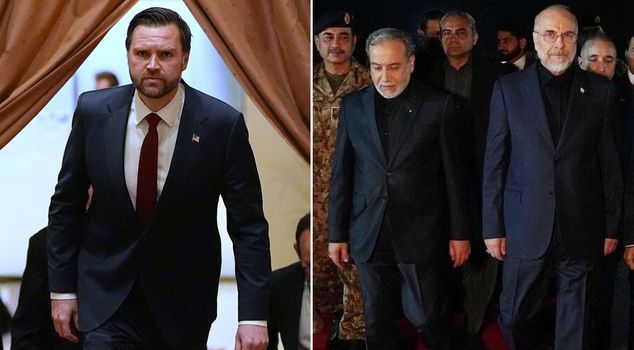
While no permanent ceasefire emerged from the critical talks held in Pakistan between the US and Iran that lasted 21 hours, striking details about why the negotiations stalled have come to light. The US side stated that they presented their "final and best offer," but Iran did not accept it.
In an analysis published in The New York Times, three main issues that led to the deadlock in the talks were highlighted.
THE CRISIS AT THE CENTER OF THE STRAIT OF HORMUZ
One of the biggest disagreements between the parties was the reopening of the Strait of Hormuz, which is critical for global energy. While the US wanted to ensure the security of the strait, Iran kept this issue as a strategic bargaining chip.
NUCLEAR MATERIAL TENSION
The second critical issue was the fate of the approximately 450 kilograms of enriched uranium in Iran's possession. While the Washington administration wanted this material to be completely eliminated, Tehran did not agree to this demand.
$27 BILLION DEMAND
The third and most controversial topic was Iran's request for the release of approximately $27 billion in revenue frozen abroad. While Iran argued that this resource is vital for its economy, the US did not back down on this issue.
"BEST OFFER REJECTED"
US officials stated that the offer they presented was final and that Iran rejected it, while Tehran accused Washington of blocking the process with "excessive demands."
TENSIONS ESCALATING IN THE REGION
The collapse of the talks is seen as raising tensions in the Middle East again, with the issues of the Strait of Hormuz and the nuclear program potentially having a direct impact on global energy and security balances.