12.04.2026 16:12
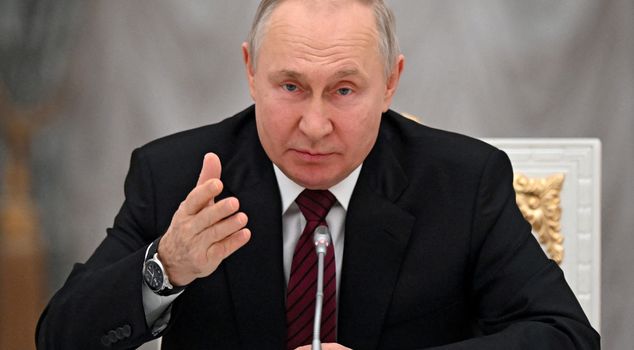
Russian President Vladimir Putin had a critical phone conversation with Iranian President Pezeshkian following the collapse of US-Iran talks. Putin emphasized that Russia is ready to mediate for a solution in the Middle East. With the nuclear program and the Strait of Hormuz crisis ongoing, Putin's intervention is seen as a significant move that could affect diplomatic balances.
After the collapse of critical talks between the US and Iran held in Pakistan for 21 hours, Russia stepped in. Russian President Vladimir Putin offered to mediate for the resolution of the crisis in the Middle East during a phone call with Iranian President Masoud Pezeshkian.
It was reported that Putin conveyed Russia's readiness to take an active role in ensuring peace in the region.
SUMMIT COLLAPSED, DIPLOMACY STRUCK
In the negotiations in Islamabad, no consensus was reached on critical issues, including the nuclear program and the Strait of Hormuz, between the US and Iran. While the parties blamed each other, Iran stated, "The US could not create trust," while Washington announced that Tehran had rejected its proposals.
These developments have seriously weakened hopes for a ceasefire in the region.
RUSSIA IN PURSUIT OF A CRITICAL ROLE
Putin's message of mediation is seen as part of Moscow's strategy to increase its influence in the Middle East. Russia had previously strengthened its influence in the region by signing a strategic partnership agreement with Iran.
According to experts, the Kremlin is trying to turn this crisis into an opportunity to gain both diplomatic power and a say in global energy balances.
STRAIT OF HORMUZ AND ENERGY RISK
With the collapse of the talks, the Strait of Hormuz has once again become the center of the crisis. Iran's control over the strait directly affects global oil flows, and it is noted that a new conflict in the region could lead to serious shocks in the world economy.
TENSIONS RISING IN THE REGION
Harsh statements from Israel, Iran's military messages, and the US's difficult decision-making process have strengthened the possibility of a new conflict in the Middle East. In this process, Russia's intervention is seen as a move that could reshape diplomatic balances.