08.02.2026 07:51
Due to the ongoing fuel crisis in Cuba, some hotels have started to close. While tourists are being redirected to other facilities, the government is taking various measures to reduce energy consumption and make the most of the tourism season. Additionally, the embargo imposed by the U.S. on oil supplies to Cuba is also contributing to the deepening of the crisis.
It has been reported that some hotels in Cuba have started to close due to a long-standing fuel crisis, and tourists staying at these facilities have been transferred to other hotels.
According to news in the national press, the Cuban government has closed some hotels citing fuel shortages and redirected tourists to other facilities.
"WE HAVE PREPARED A PLAN"
Cuban Deputy Prime Minister Oscar Perez-Olivia stated in an interview with state television that a plan has been prepared to reduce energy consumption, use tourist facilities more efficiently, and maximize benefits from the ongoing tourism season.
Perez-Olivia noted that procedures would be simplified for private companies to import their own fuel, some banks' working hours would be reorganized, and cultural events such as the Havana International Book Fair have been postponed until further notice.
MINISTER OF TRANSPORTATION HAS PREPARED AN ACTION PLAN
Transportation Minister Eduardo Rodriguez stated in his announcement that domestic and international flights would continue, and airports and ports would maintain their operations. Among the emergency measures taken by the Cuban government in response to the fuel crisis are the implementation of a remote working system, the closure of some offices, the limitation of public services, and the reorganization of class hours in universities. According to information from state media, gas stations selling in foreign currency will continue their operations, but sales will be limited to a maximum of 20 liters per person and vehicle.
"WHAT WILL WE DO IF WE DON'T RESIST, WILL WE SURRENDER?"
Cuban President Miguel Diaz-Canel, in a statement on February 6, pointed to the oil blockade imposed by the U.S. on his country, saying, "We have not received any fuel from abroad since last December. The adoption of such an aggressive and criminal policy by a major power against a small country should be condemned. This means completely suffocating us. What will we do if we don't resist, will we surrender?" It is stated that the country needs approximately 110,000 barrels of oil daily to meet its energy needs, and Venezuela is expected to provide about 30,000 barrels of this by 2025.
U.S. OIL BLOCKADE ON CUBA
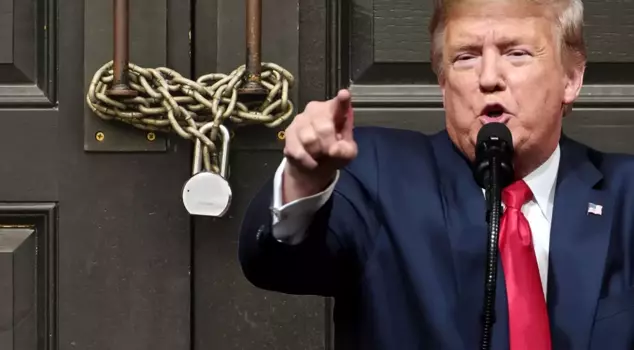
On January 30, U.S. President Donald Trump signed a presidential decree imposing customs duties on all goods coming from countries that sell or supply oil to Cuba. The White House argued that this decision aims to protect U.S. national security and foreign policy interests against Cuba's "harmful actions and policies." On February 1, Trump announced that discussions had begun with Cuban leaders regarding the regulation of oil supply, which Cuba denied.