12.04.2026 10:10
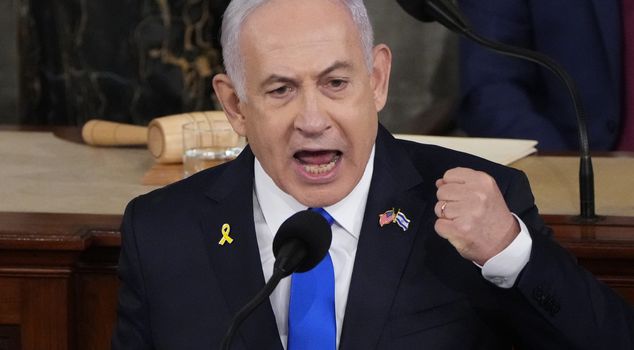
Israeli Prime Minister Benjamin Netanyahu stated, "The attacks on Iran are not over; we have a lot of work to do," announcing that operations will continue. As tensions rise following the inconclusive summit between the U.S. and Iran, Netanyahu claimed that Iran has reached the threshold of nuclear weapons and put forward the condition of disarming Hezbollah for negotiations with Lebanon.
As tensions rise in the Middle East, striking statements have come from Israeli Prime Minister Benjamin Netanyahu. Speaking after the inconclusive Islamabad talks between the U.S. and Iran, Netanyahu clearly announced that operations against Iran would continue.
In a video message he published, Netanyahu evaluated developments along the Iran-Lebanon line, stating, “Our attacks against Iran are not over yet. We have more work to do.” This statement from Netanyahu once again highlighted the fragility of the ceasefire in the region.
IRAN-U.S. SUMMIT COLLAPSES, TENSION RISES
The failure to reach an agreement in the 21-hour U.S.-Iran talks held in Islamabad, Pakistan, has further increased the tension on the ground. The inability of the parties to reach a consensus, particularly on the topics of the Strait of Hormuz and the nuclear program, has led to a stalemate in the diplomatic process.
While the Iranian side accused the U.S. of “excessive demands,” the Washington administration argued that Tehran did not provide clear commitments regarding its nuclear program. Following the summit, Pakistan called on the parties to adhere to the ceasefire, but developments on the ground indicate that these calls are struggling to find a response.
NETANYAHU: IRAN WOULD HAVE ALREADY HAD NUCLEAR WEAPONS
Netanyahu pointed out the attacks carried out by Israel last year and on February 28, suggesting that without these operations, Iran “would have already possessed nuclear weapons.” The Israeli Prime Minister also claimed that the current ceasefire request came from Tehran.
These statements indicate that Israel will not back down in its military strategy against Iran, while also increasing the risk of conflict in the region.
LEBANON MESSAGE: CONDITIONAL PEACE
Netanyahu also touched on the direct negotiation process with Lebanon, presenting notable conditions. He argued that Lebanon has initiated peace talks due to the influence of Israel’s military power, stating that he approved the process with two conditions.
Identifying these conditions as the complete disarmament of Hezbollah and a long-term, permanent peace agreement, Netanyahu said, “Real peace is only possible under these conditions.”
CEASEFIRE FRAGILE, REGION ON THE BRINK OF A NEW CRISIS
The collapse of the U.S.-Iran talks, Israel's tough messages, and the tension along the Lebanon line have shaken the balances in the Middle East once again. While diplomatic efforts continue, the military rhetoric on the ground raises questions about the durability of the ceasefire.